Artisti con una missione
Persecuzione, coraggio e uno spirito indomito
Come può un giovane cinese, che ha perso il padre a causa delle torture e la madre perché incarcerata, ritroverarsi a New York a raccontare la loro storia danzando sul palcoscenico?
Questa è la storia ispiratrice che racconta come è nato Shen Yun, chi sono queste persone straordinarie e quali ostacoli devono ancora superare oggi.
La storia ha inizio in Cina negli anni ’90. Il Paese era appena uscito da decenni di violente campagne politiche, tra cui la Rivoluzione Culturale e il massacro di piazza Tienanmen. Il popolo cinese era stanco del Partito Comunista, della sua ideologia e del suo devastante tributo in termini di vite umane.
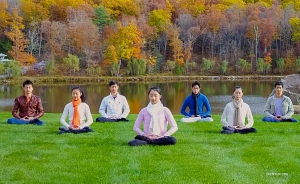
Allo stesso tempo, era emerso un fenomeno popolare noto come il «boom del qigong». Negli anni ’70 e ’80, all’alba i parchi di tutta la Cina si riempivano di milioni di persone che praticavano esercizi dai movimenti lenti per migliorare la propria salute e trovare la pace.
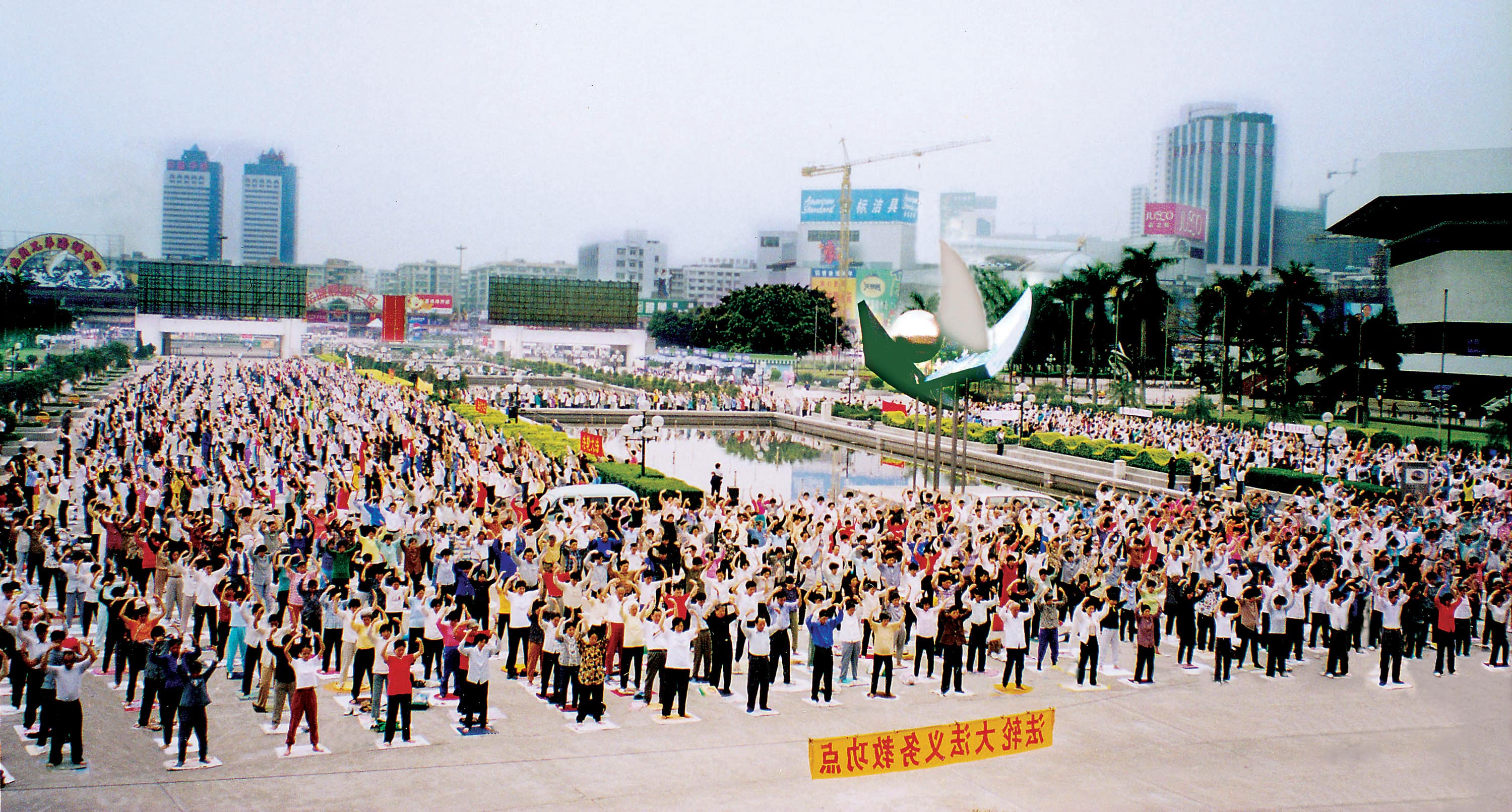
Nel 1992, Li Hongzhi, originario della città di Changchun, nel nord-est del Paese, rese nota un’antica pratica spirituale che fino ad allora non era mai stata insegnata in pubblico: il Falun Gong.
Completamente gratuito e in grado di produrre risultati straordinari, il Falun Gong, noto anche come Falun Dafa, si diffuse rapidamente in tutta la Cina. Persone di ogni estrazione sociale lo praticavano e lo apprezzavano: operai, accademici e funzionari governativi. Oltre ai benefici per la salute, il Falun Gong placava la loro sete spirituale: insegnava a vivere secondo i principi di «Verità, Compassione e Tolleranza», a liberarsi dagli attaccamenti negativi e a essere persone buone e gentili. Verso la fine degli anni ’90, il governo cinese stimava che in Cina ci fossero tra i 70 e i 100 milioni di persone che praticavano il Falun Gong.
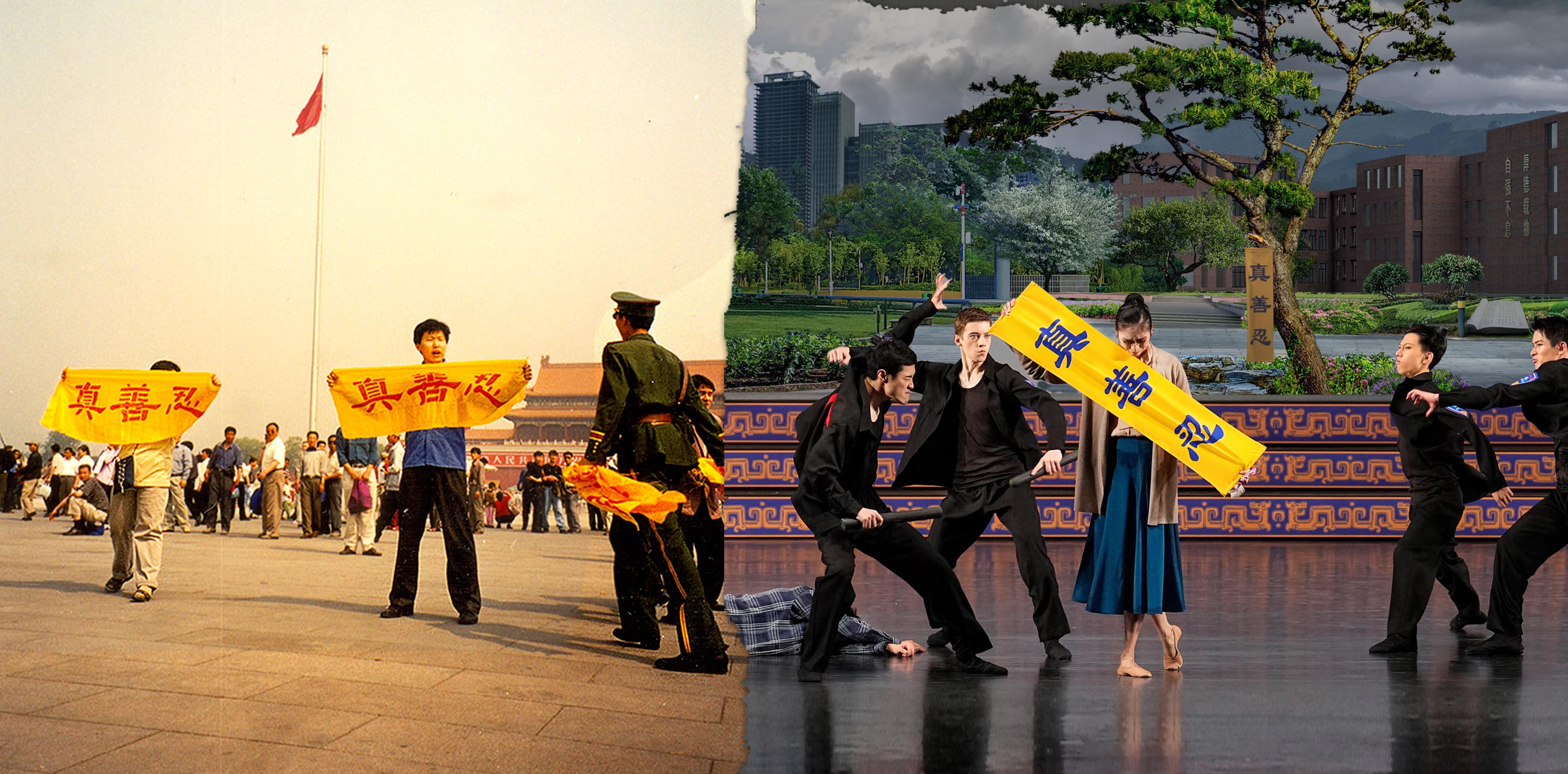
La rapida crescita del Falun Gong ha allarmato alcuni alti funzionari del Partito Comunista Cinese (PCC), in particolare il segretario del Partito Jiang Zemin. Questi hanno avviato un’indagine clandestina, alla ricerca di prove per mettere al bando il Falun Gong, ma non hanno trovato nulla. Nonostante questo, e nonostante la forte opposizione di altri leader governativi, Jiang ha vietato il Falun Gong nel 1999, dichiarando immediatamente 100 milioni di persone nemici dello Stato.
La propaganda e la violenza che ne sono seguite sono diventate una delle più grandi vicende dei diritti umani del XXI secolo. Milioni di persone sono state mandate in prigione, nei campi di lavoro e nei centri di “rieducazione” per il lavaggio del cervello. È stato confermato che migliaia di persone sono state torturate a morte — attraverso la privazione del sonno, percosse mentre erano appese per gli arti e colpite con scariche elettriche attraverso pungoli per bestiame. Forse la pratica più sanguinaria di tutte è il prelievo forzato di organi da persone vive, ormai ampiamente documentato.
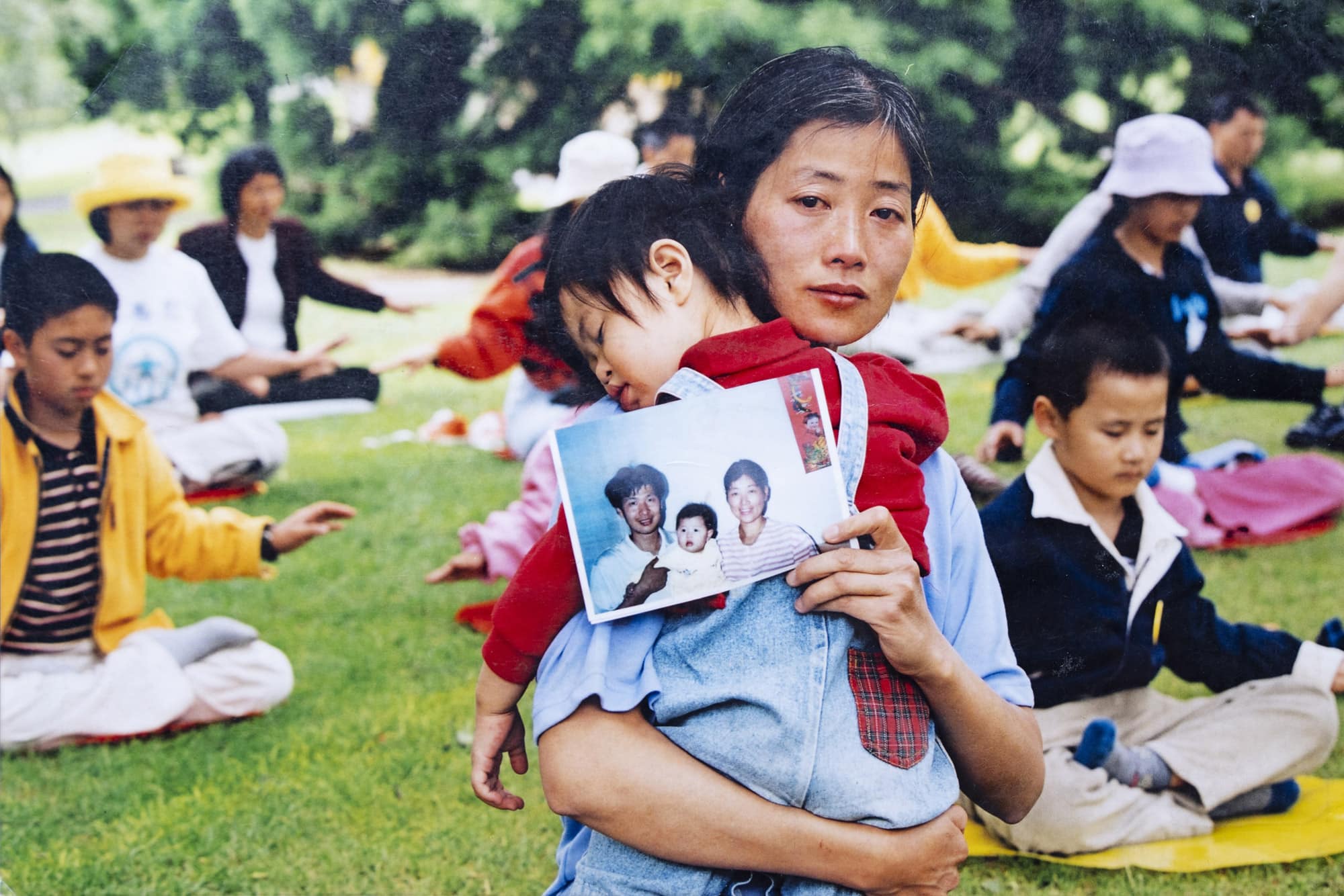
Quando il PCC ha dato il via alla persecuzione il 20 luglio 1999, quella campagna violenta ha provocato scalpore a livello globale. Alcuni cinesi della diaspora praticavano il Falun Gong, così come un numero crescente di non cinesi. Furono colti di sorpresa dalle improvvise atrocità commesse in Cina e impreparati di fronte alla propaganda diffusa dal PCC in tutto il mondo.
In breve tempo, si sono mobilitati per cercare di attirare l’attenzione della comunità internazionale su ciò che stava accadendo in Cina. Hanno organizzato sit-in, manifestazioni, veglie e cortei; hanno distribuito volantini, raccolto firme per petizioni e bussato alle porte a Washington, Ottawa e Ginevra. Alcuni hanno creato siti web e aziende mediatiche; altri hanno aiutato le persone in Cina ad aggirare il blocco di Internet. Molti hanno telefonato direttamente alle guardie delle prigioni cinesi.
Tra i praticanti del Falun Gong fuori dalla Cina c’erano artisti d’élite: ballerini professionisti, pittori e musicisti affermati. Speravano di poter mettere a frutto le loro capacità per contribuire a porre fine alla persecuzione. Allo stesso tempo, volevano mostrare al mondo la bellezza, le leggende e le tradizioni spirituali della Cina prima del comunismo.
Nel 2006 si sono riuniti tra le dolci colline della Hudson Valley, nello Stato di New York, e, sotto la guida del direttore artistico D.F., hanno fondato Shen Yun.
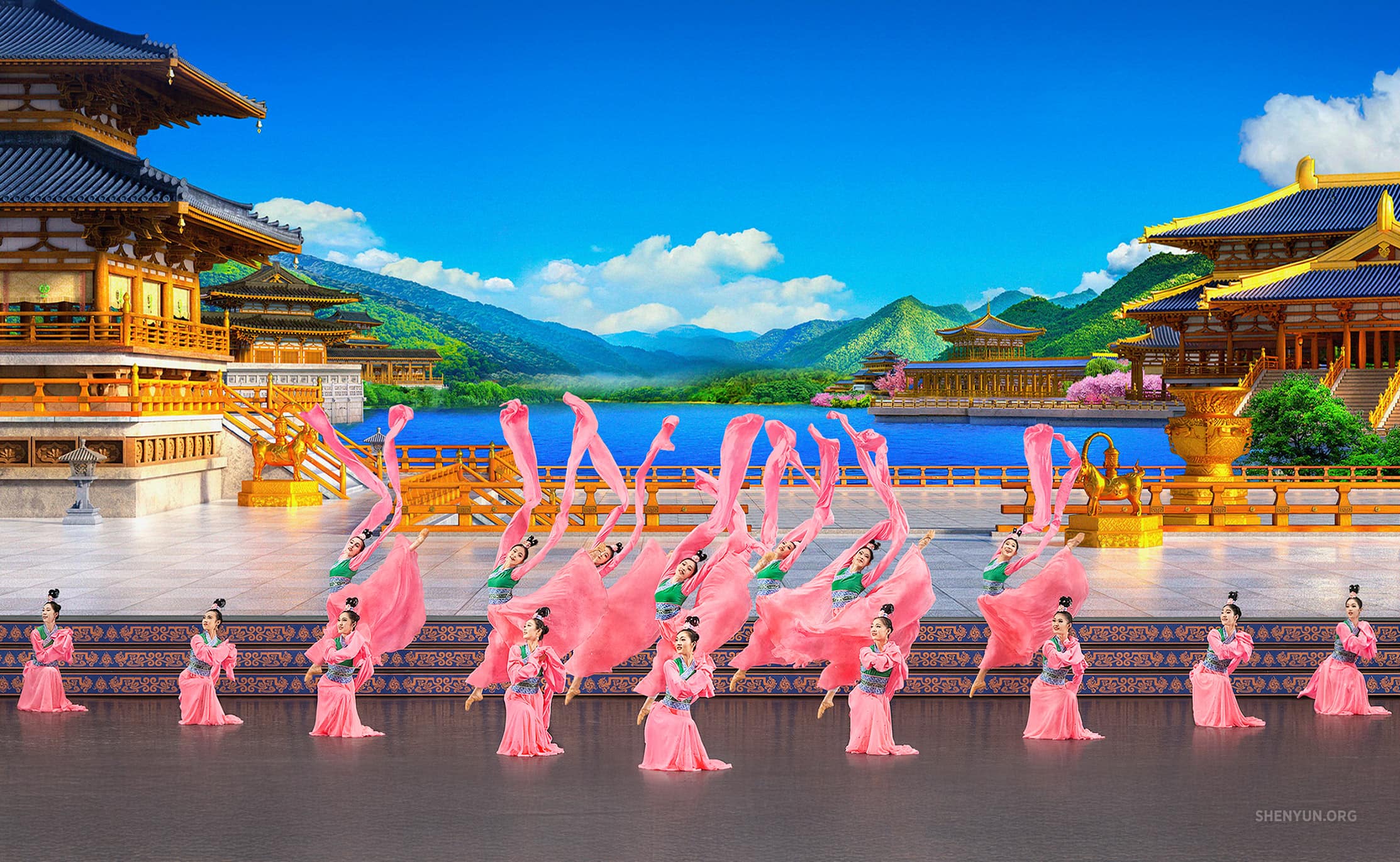
Lo spettacolo ha riscosso un successo immediato. Nella sua prima stagione, Shen Yun ha tenuto una tournée in tutto il mondo, riscuotendo il plauso della critica in quattro continenti. Gli spettatori hanno raccontato di essersi sentiti ispirati dalla bellezza e dalle storie rappresentate sul palco, e vedendo le antiche tradizioni tornare in vita.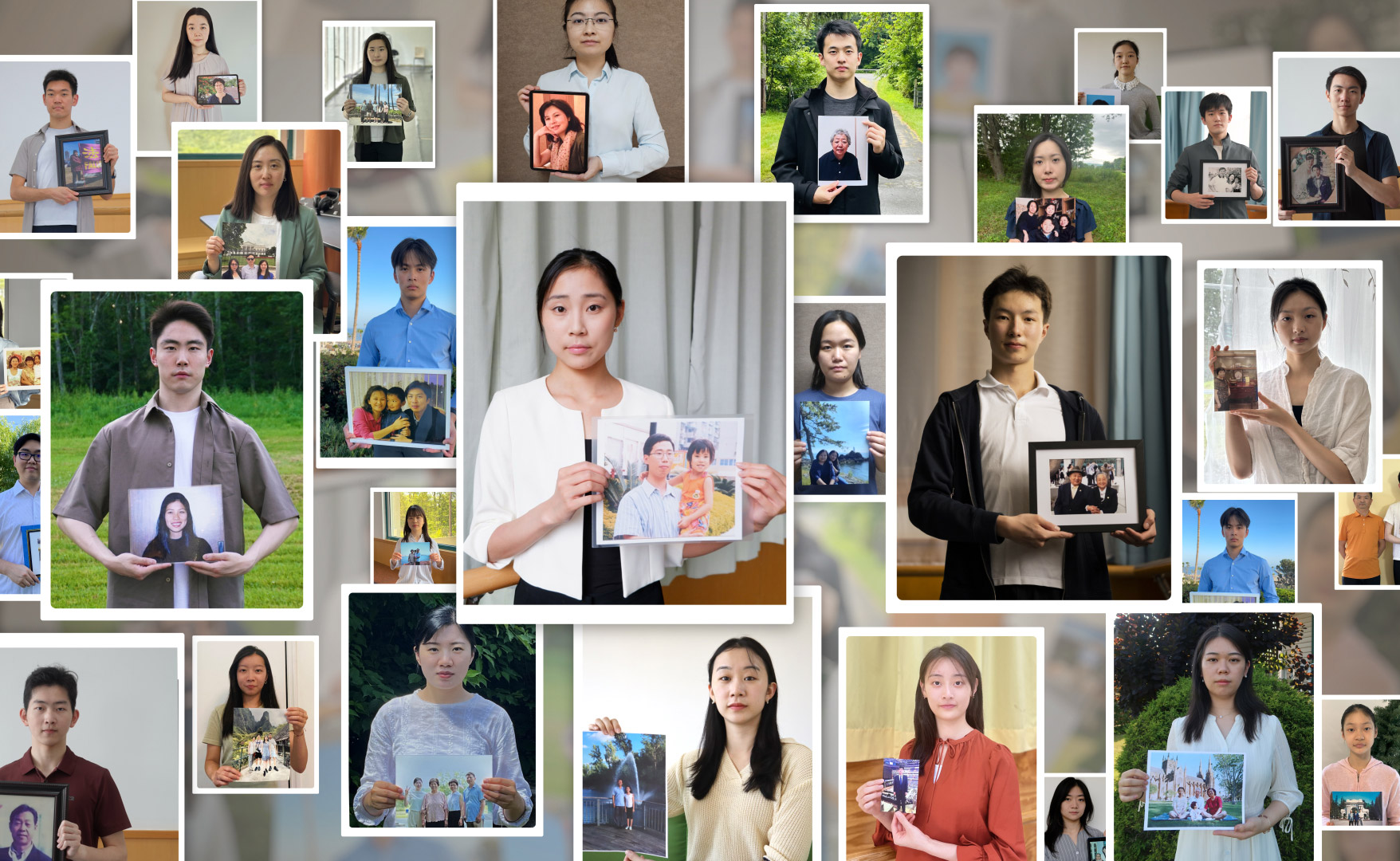
But the story of the persecution in China was never far from the artists’ hearts. Many had escaped persecution themselves.
When the Story is Personal
Questi artisti, che portano con sé ricordi inquietanti e un profondo desiderio di salvare i propri cari rimasti in Cina, sono riusciti in qualche modo a trasformare tutto questo dolore in un’opera d’arte bellissima e commovente.

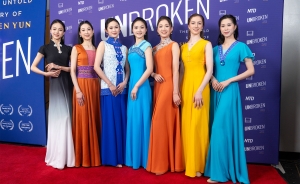
Quando il pubblico vede i sorrisi e la gioia sincera con cui questi artisti si esibiscono, non riesce a immaginare cosa abbia dovuto passare una persona come la prima ballerina Ellie Rao, nella foto sopra. All’età di quattro anni, la polizia fece irruzione nella sua casa e portò via suo padre per il solo motivo della sua fede. Lei lo guardò dalla finestra mentre lo portavano via in auto. Non lo ha rivisto mai più: è stato torturato a morte.
A 9 anni è fuggita in Thailandia con la madre e alla fine ha ottenuto asilo negli Stati Uniti.
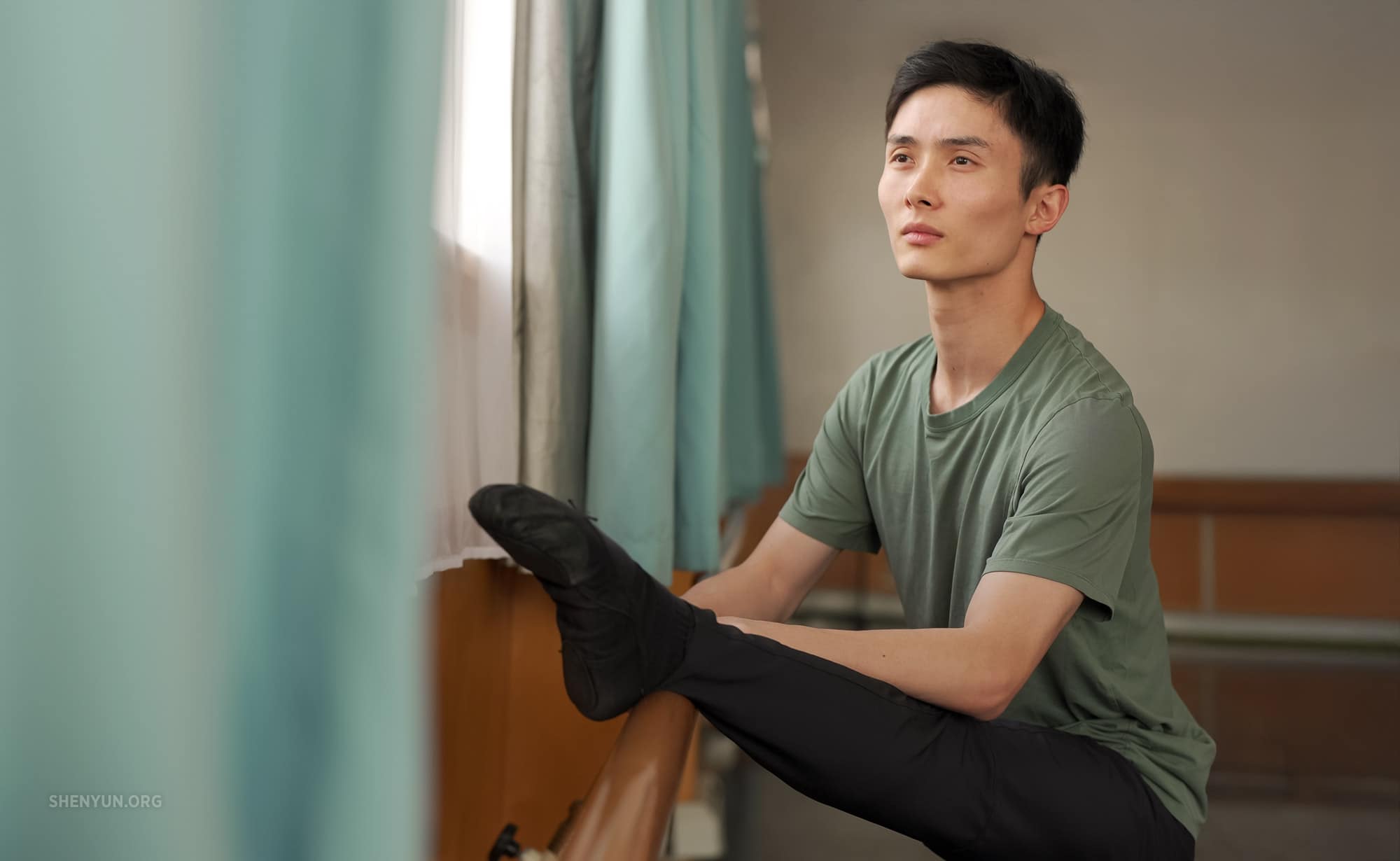
Il primo ballerino Hungwei Sun, noto per aver interpretato guerrieri eroici, è cresciuto senza madre. Quando era bambino, sua madre fu incarcerata per sette anni perché praticava il Falun Gong. Hungwei fu mandato a vivere con dei parenti a Taiwan. Quando sua madre è riuscita a fuggire dalla Cina e a ricongiungersi con suo figlio, erano ormai 12 anni che non si vedevano. Si considerano fortunati.
-
 In their own words: read principal dancer Evangeline Zhu's story here
 -
 In their own words: read flutist Tianjing Kuang's story here
 -

-

-
 In their own words: read concertmaster Catherine Zhang's story here
 -

-

-

-
 In their own words: read percussionist Jazmine Jia's story here
 -
 In their own words: read principal dancer Carol Huang's story here
 -
 In their own words: read violist Crystal Ho's story here
 -
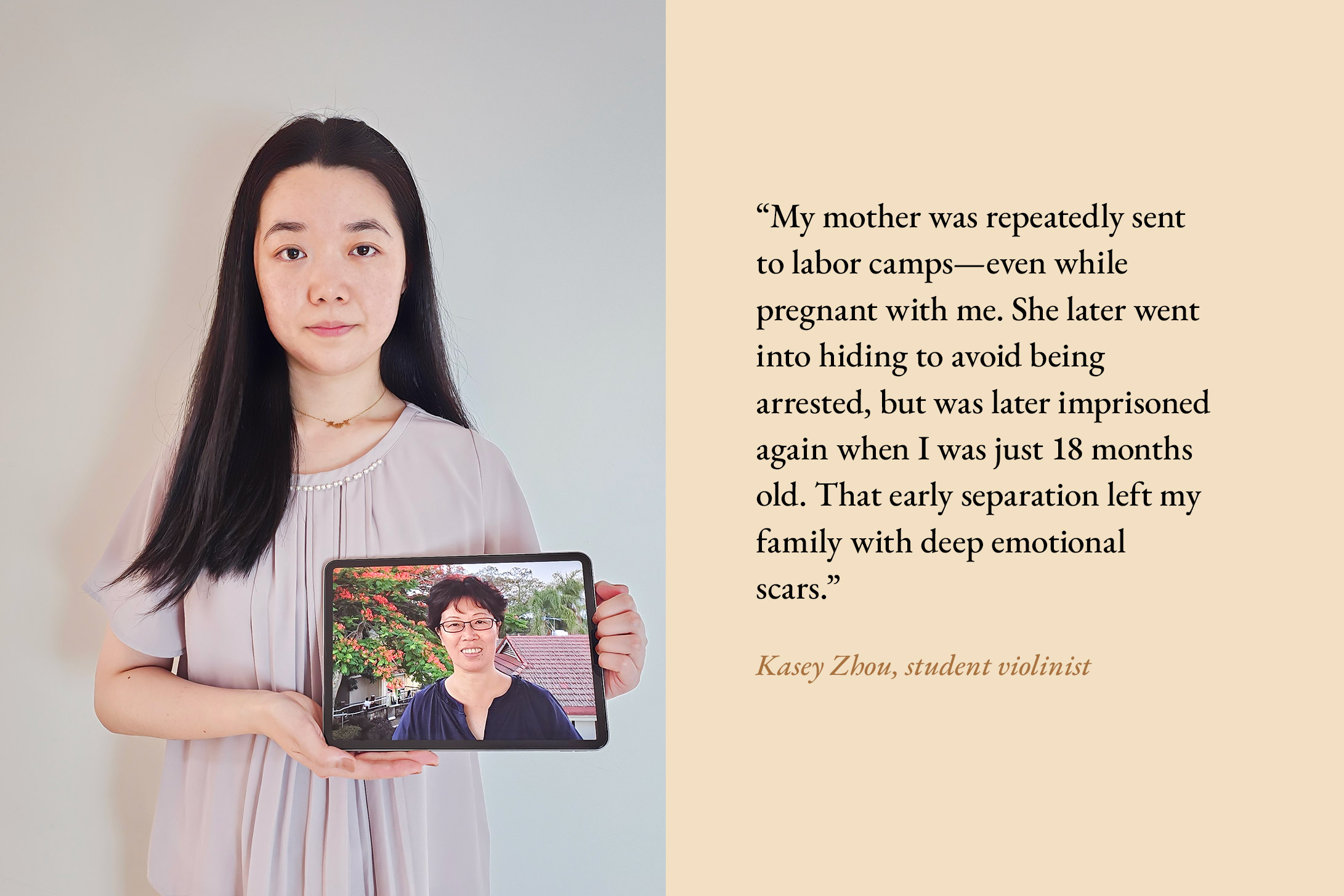 In their own words: read student violinist Kasey Zhou's story here
 -

-
 In their own words: read student dancer Xianglai Liu's story here
Da un recente sondaggio condotto all’interno della compagnia è emerso che oltre 90 artisti di Shen Yun sono stati direttamente colpiti dalla persecuzione. Alcuni sono stati incarcerati. Altri hanno perso dei familiari a causa delle torture. Alcuni hanno ancora dei parenti in carcere.
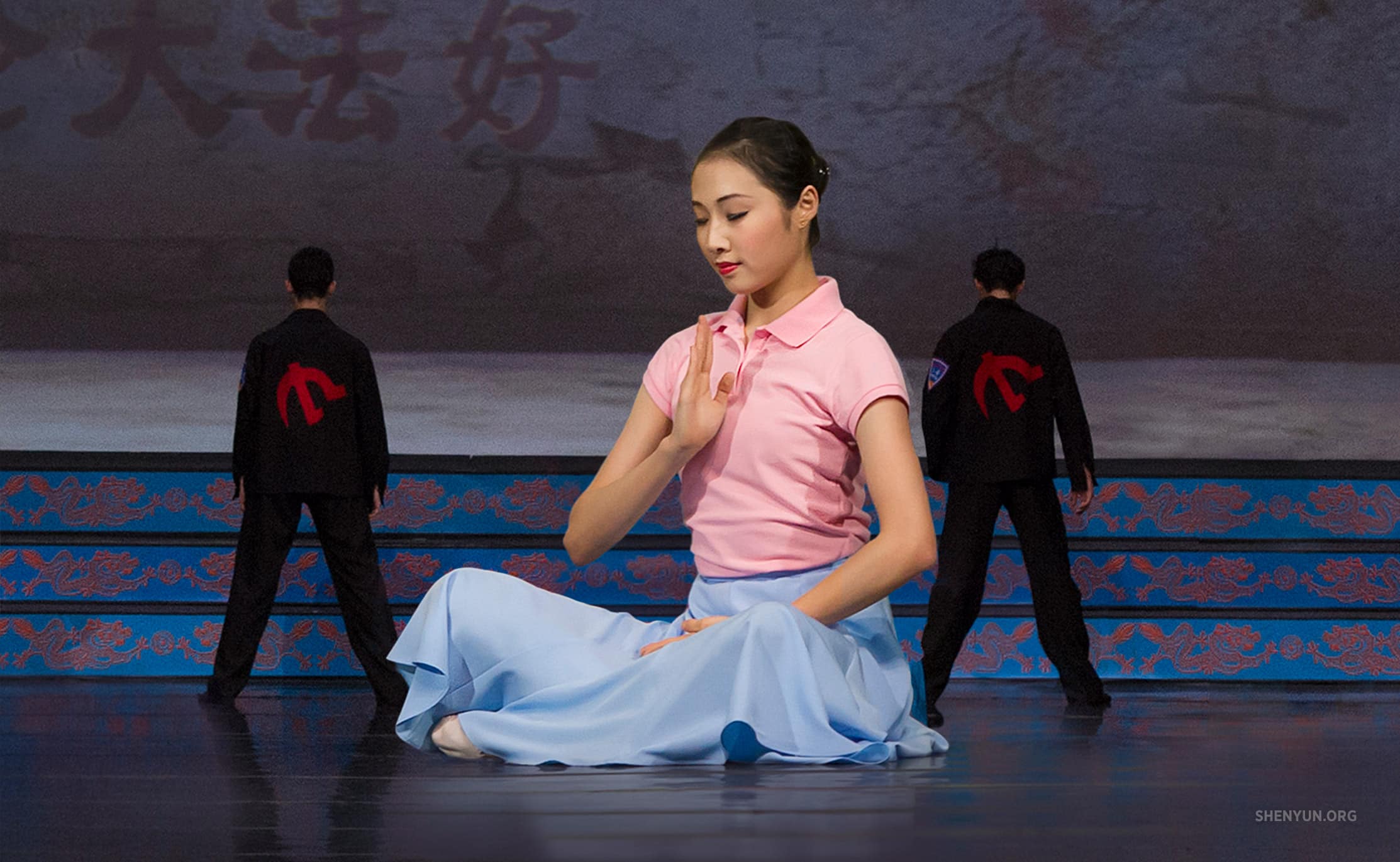
Ecco perché la storia del Falun Gong fa parte di ogni spettacolo di Shen Yun. Ogni spettacolo comprende circa 20 diversi atti di danza e musica, e alcuni di essi sono dedicati alla storia vera dei praticanti del Falun Gong: la persecuzione che subiscono e il coraggio della loro resistenza pacifica. Shen Yun è stato fondato dai praticanti del Falun Gong proprio mentre subivano una terribile persecuzione.Questa storia non è solo cara al cuore di ogni artista, ma è al centro della missione della compagnia.
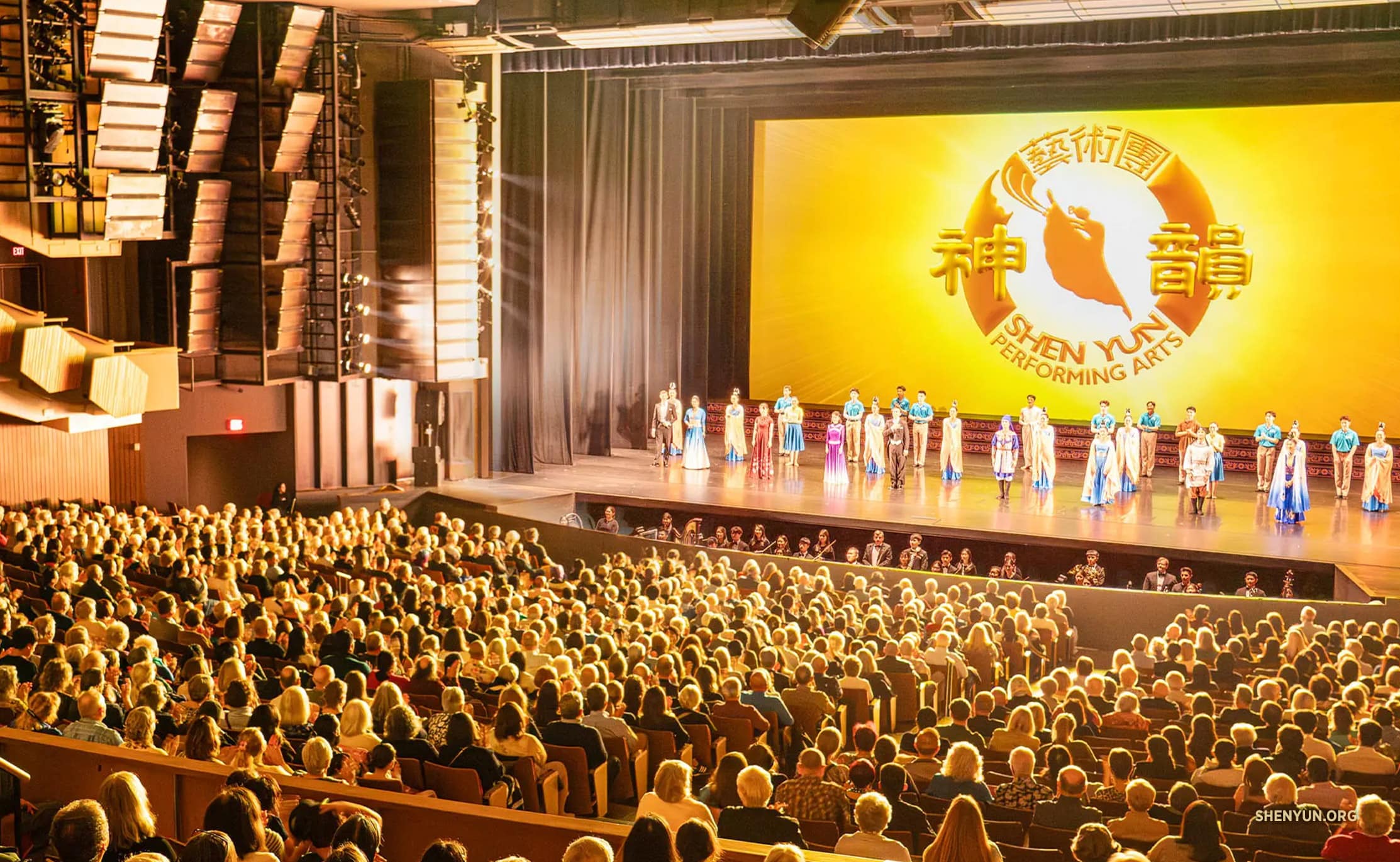
Questo terrorizza Pechino. Il PCC ha speso risorse incalcolabili per dire al mondo che non c’è alcuna persecuzione, eppure ecco Shen Yun che la porta al centro della scena nei teatri più prestigiosi del mondo. Non solo: Shen Yun è interpretato dai praticanti del Falun Gong, proprio il gruppo che il PCC si è prefissato di eliminare.
Inoltre, Pechino vede in Shen Yun il ritorno della cultura tradizionale cinese, che vanifica quasi otto decenni di sforzi sistematici del PCC per sradicarla.
Raffigurando la Cina prima del comunismo, Shen Yun ha portato speranza a tantissime persone, sia cinesi che non, consentendo loro di immaginare una Cina senza comunismo.
Esportare la repressione

Non solo a Shen Yun è vietato esibirsi in Cina, ma il PCC ha utilizzato una vasta gamma di tattiche per cercare di mettere a tacere Shen Yun in tutto il mondo.
Inizialmente, Pechino ha inviato diverse compagnie di arti dello spettacolo per cercare di competere con Shen Yun. Quando ciò non ha funzionato, ha tentato di esercitare pressioni diplomatiche per far annullare gli spettacoli di Shen Yun.
Le ambasciate e i consolati della Repubblica Popolare Cinese in tutto il mondo hanno inviato lettere, effettuato telefonate e fatto visita ai teatri in cui era previsto lo spettacolo di Shen Yun, cercando di esercitare pressioni affinché gli spettacoli venissero annullati. Hanno utilizzato minacce appena velate di ripercussioni economiche e hanno fatto balenare la promessa di portare spettacoli dalla Cina. Queste tattiche hanno funzionato raramente.
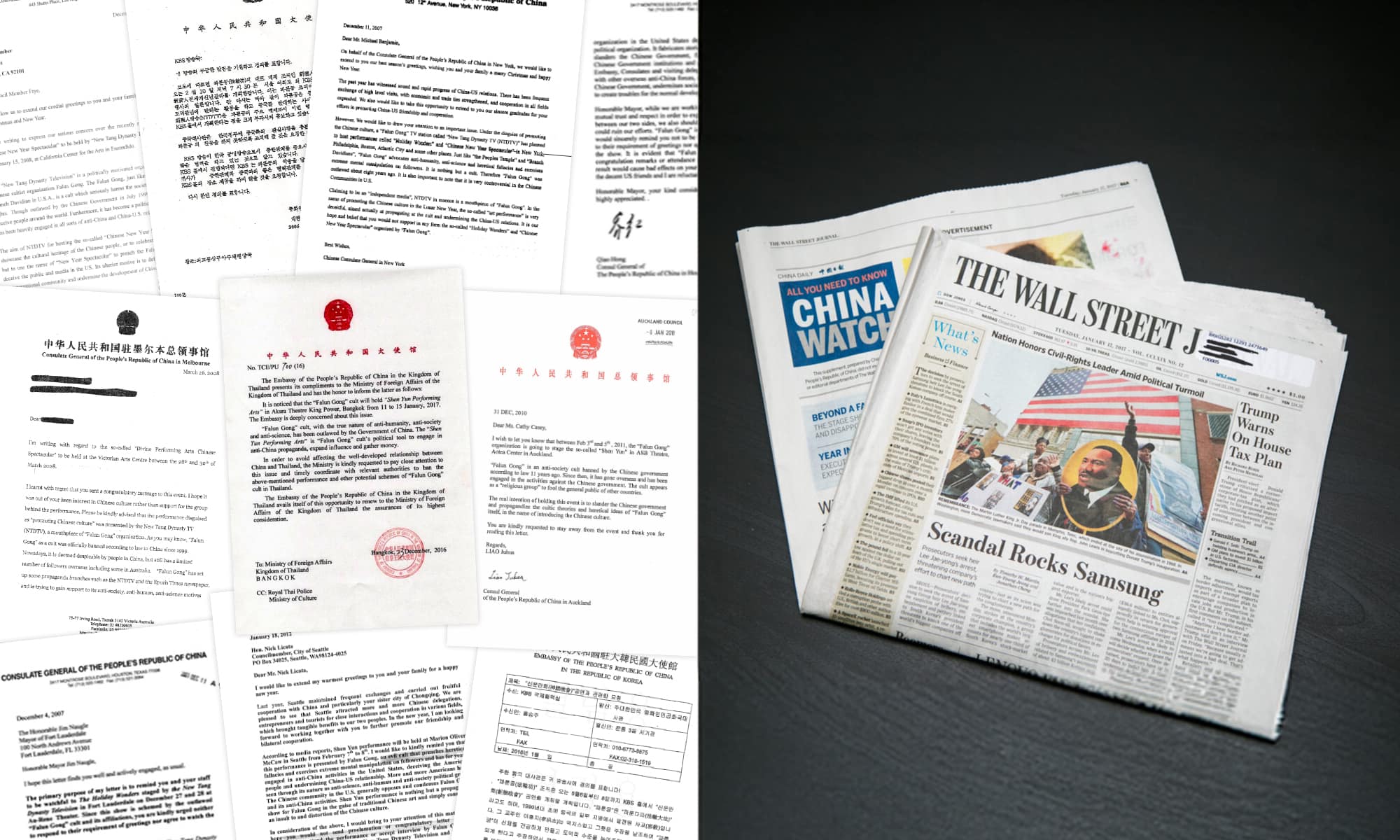
Per anni, il Wall Street Journal, il Washington Post, il London Telegraph e molti altri quotidiani hanno pubblicato inserti a pagamento del China Daily, l’organo ufficiale in lingua inglese del Partito Comunista Cinese, intitolati “China Watch”. Questi inserti utilizzavano la stessa impaginazione e lo stesso stile dei quotidiani ed erano difficilmente distinguibili come annunci a pagamento. Tuttavia, i loro contenuti includevano titoli che, ad esempio, definivano Shen Yun “una blasfemia mascherata da arte”.
Il PCC ha molestato e arrestato i familiari degli artisti ancora in Cina.
In diverse occasioni, gli pneumatici degli autobus e dei camion di Shen Yun sono stati squarciati in modo tale da farli esplodere ad alta velocità. I tagli sono stati praticati sugli pneumatici anteriori, aumentando il rischio che l’autista perdesse il controllo del mezzo. I tagli sono stati scoperti durante le ispezioni precedenti ai viaggi.
Il PCC ha inviato spie per cercare di sabotare la compagnia, ma queste sono state arrestate dall’FBI e sono finite in carcere.
Visto il fallimento di tutte queste manovre, il PCC e i suoi agenti si sono ricorsi alla disinformazione, alle azioni legali e alle minacce.
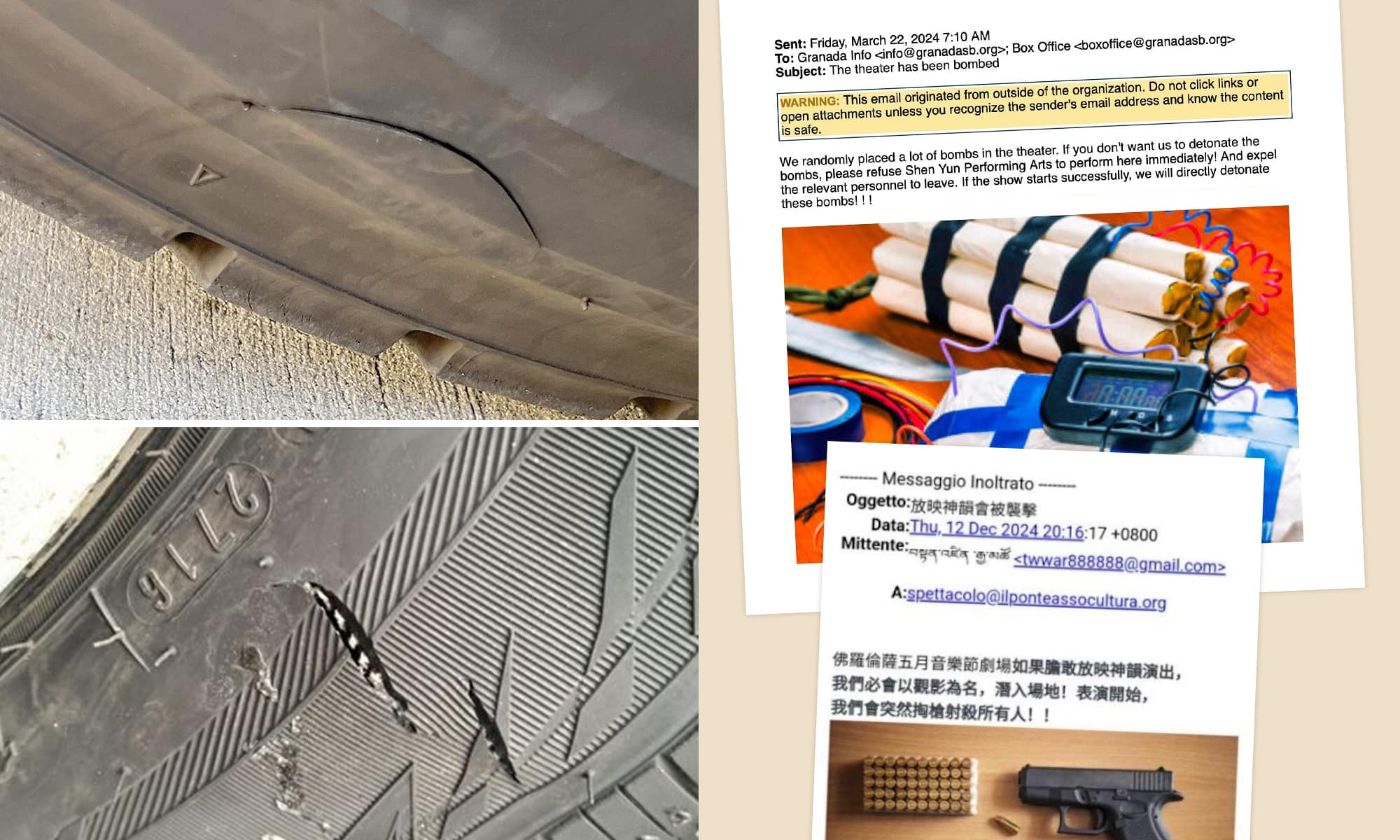
Pneumatici squarciati su un veicolo noleggiato dal personale dell’organizzazione ospitante di Shen Yun a Nashville, nel Tennessee; pneumatico pericolosamente squarciato di un autobus di Shen Yun a Costa Mesa, in California; e-mail con minaccia di attentato dinamitardo contro Shen Yun inviata al Granda Theatre di Santa Barbara, in California; e-mail con minaccia di sparatoria di massa contro Shen Yun inviata al Teatro del Maggio Musicale Fiorentino a Firenze, in Italia.
A partire dal 2024, i teatri in cui Shen Yun stava per esibirsi hanno iniziato a ricevere minacce via e-mail relative a sparatorie di massa, oppure in cui si affermava che fossero state piazzate bombe nel teatro e che sarebbero state fatte esplodere se a Shen Yun fosse stato permesso di esibirsi. Sebbene finora siano state registrate oltre 200 e-mail di questo tipo, e tutte siano state segnalate alla polizia e all’FBI per le indagini, in nessun caso si è mai verificata una minaccia reale. Si è trattato esclusivamente di falsi allarmi.
I mittenti delle e-mail utilizzano reti VPN ed sono difficili da rintracciare, ma una task force della polizia taiwanese è riuscita a risalire a Xi’an, in Cina, e all’Istituto di ricerca Huawei.
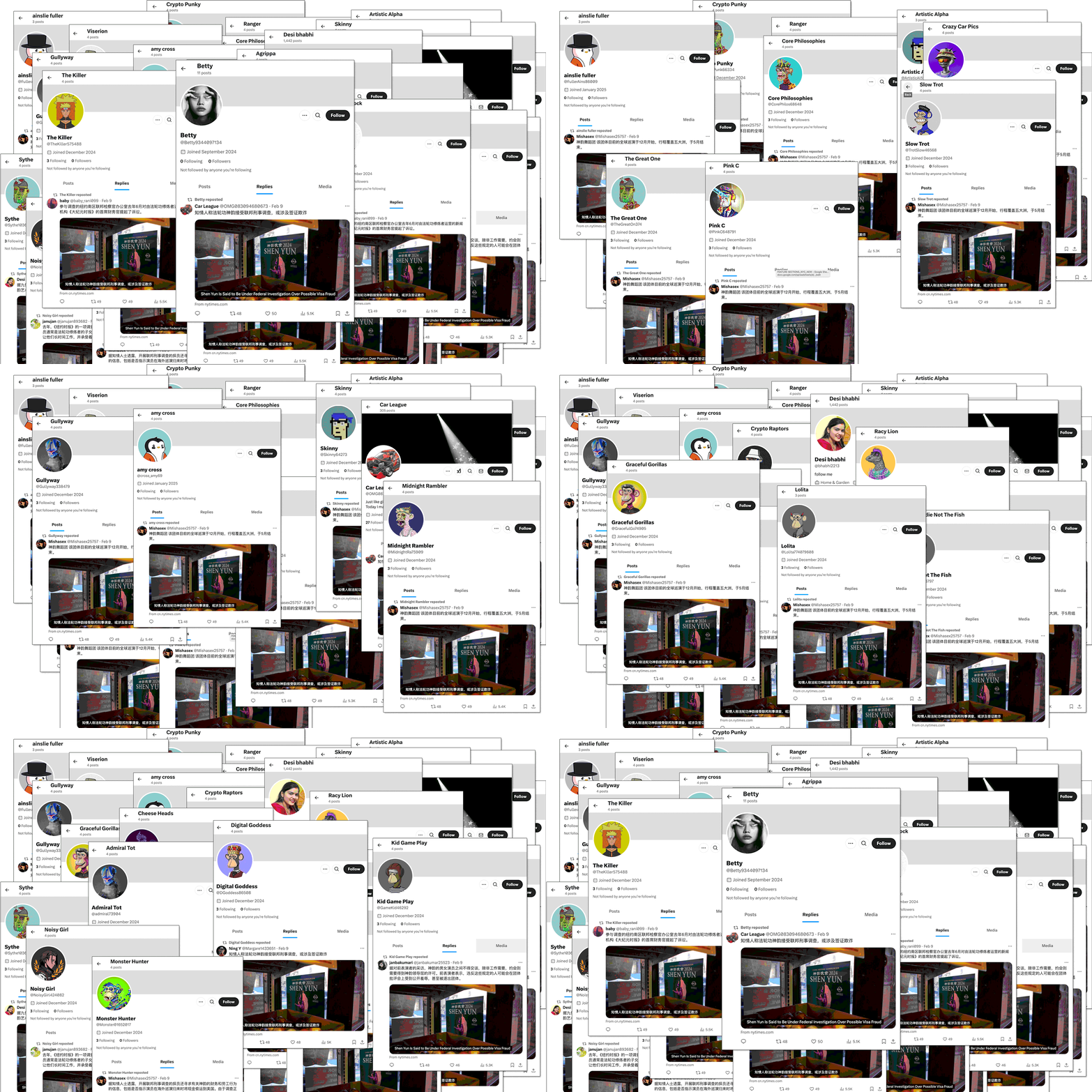
Di recente, il PCC ha intensificato la sua campagna di disinformazione nel tentativo di mettere a tacere Shen Yun. Alcuni documenti trapelati dal Ministero della Sicurezza di Stato cinese descrivono in dettaglio questa strategia che prevede l’uso dei social media e dei media tradizionali per rivoltare l’opinione pubblica contro Shen Yun e il Falun Gong.
Come previsto, alcune delle tattiche che sono immediatamente emerse sono state account sui social media il cui unico scopo è attaccare Shen Yun, account falsi che si spacciano per artisti di Shen Yun, influencer di lingua cinese che producono un flusso costante di video denigratori su Shen Yun e attività di bot che amplificano i contenuti negativi.
Purtroppo, alcune di queste narrazioni, che risalgono addirittura a Pechino, sono effettivamente riuscite a infiltrarsi nel discorso pubblico. (Per saperne di più: 9 cose che alcuni articoli dei media sbagliano riguardo a Shen Yun)
Eppure, nonostante abbiano subito persecuzioni in Cina e ora subiscano una repressione transnazionale che raggiunge le loro case in America, gli artisti di Shen Yun rimangono determinati come sempre.
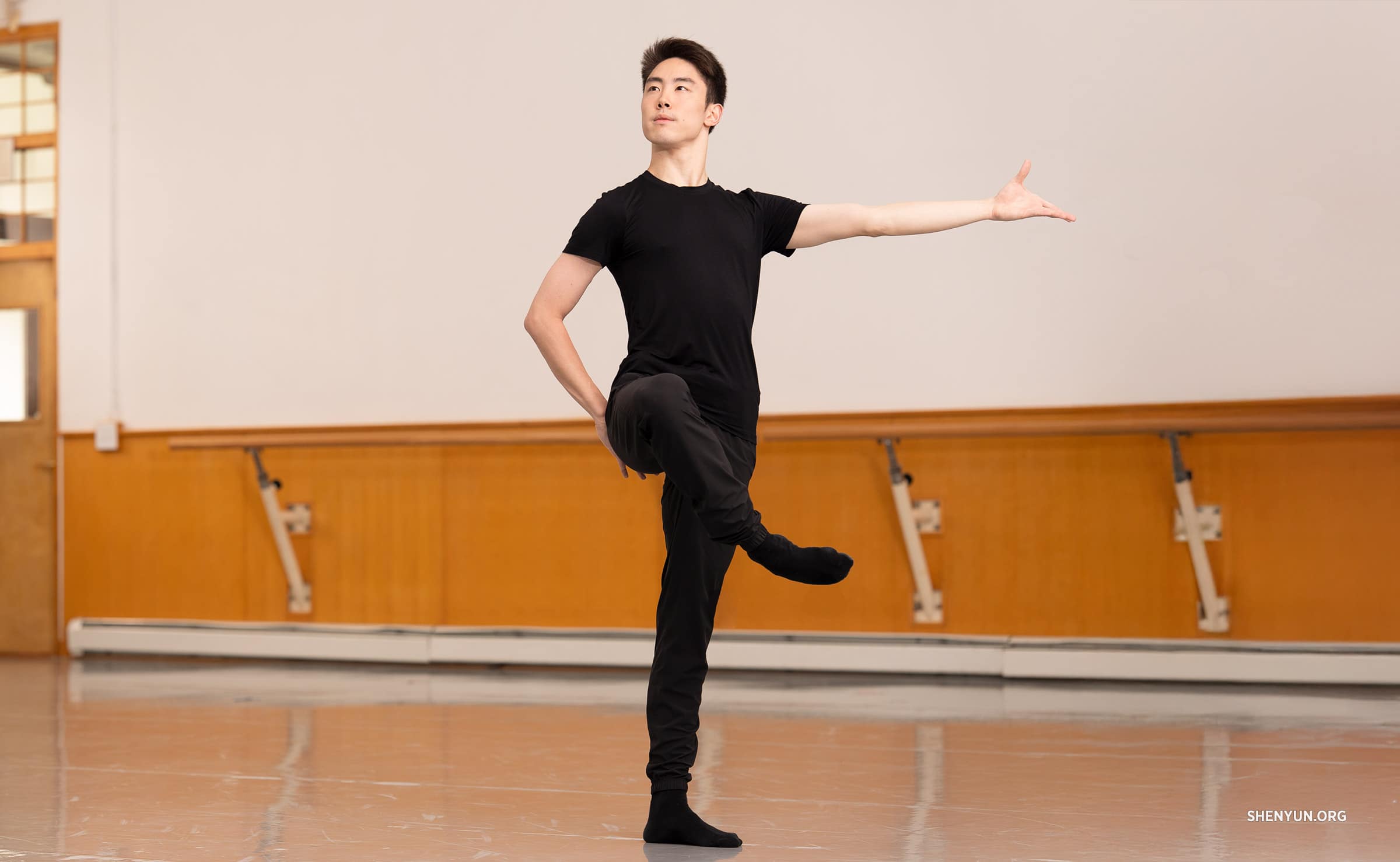
wallIl ballerino Louis Liu aveva tre anni in Cina quando lo portarono a trovare sua zia, Gao Rongrong, al suo capezzale in ospedale. Una donna piena di vita sulla trentina, era stata licenziata dal suo lavoro presso un’accademia d’arte perché praticava il Falun Gong e in seguito era stata mandata in un campo di lavoro. Lì, le guardie la avevano torturata per sette ore di fila, colpendola al viso con manganelli elettrici. Dal suo letto d’ospedale, con la polizia di guardia al suo fianco, le guance bruciate e sfigurate, guardò Louis con una tenerezza che lui non dimenticherà mai. Morì per le ferite riportate un anno dopo.
«Quando mi esibisco in spettacoli di danza che raccontano ciò che sta accadendo oggi in Cina», dice, «è la mia occasione per dare voce a chi è perseguitato in Cina, per dare voce a mia zia».
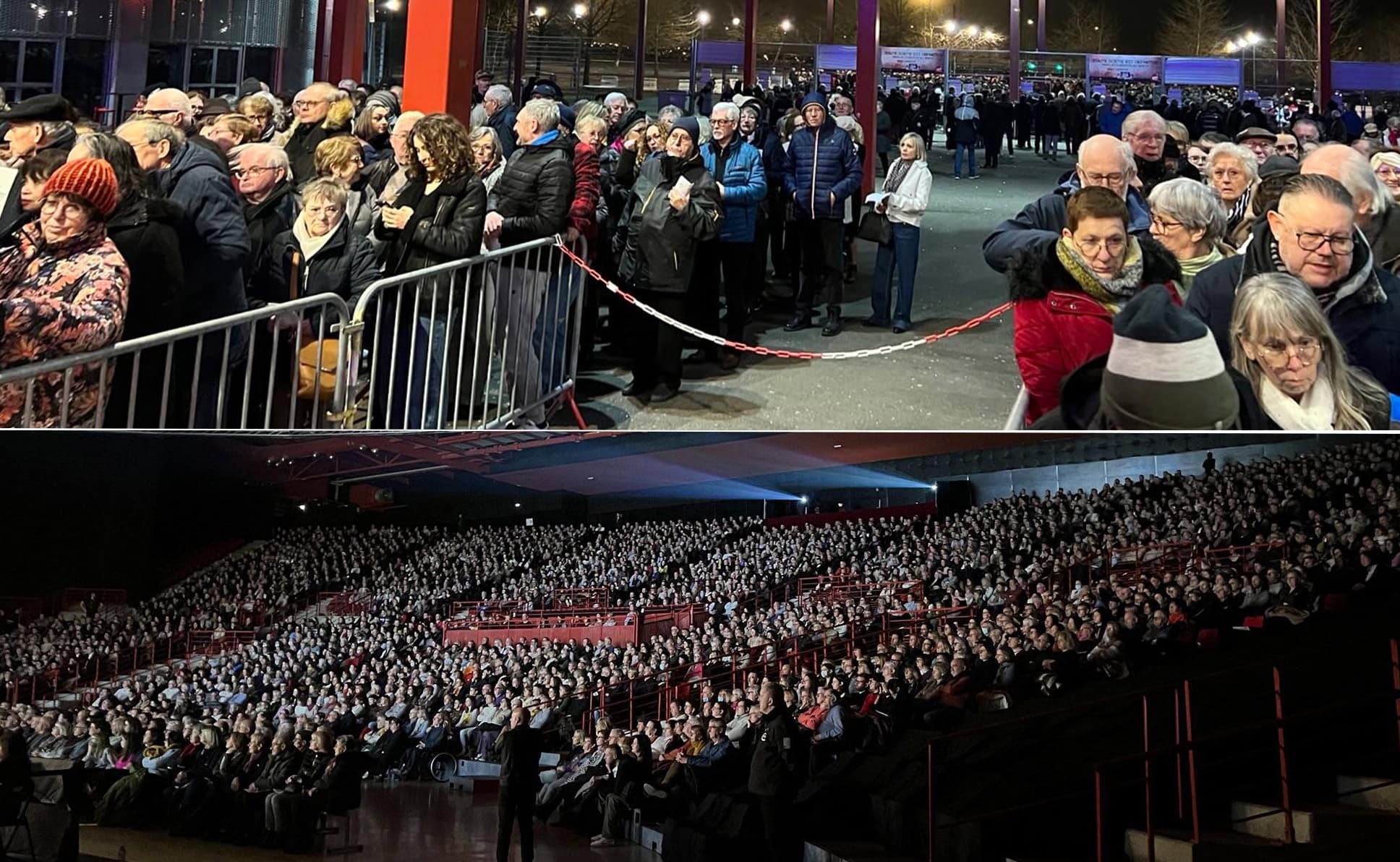
Il 3 febbraio 2025, Louis si stava preparando a esibirsi davanti a quasi 3.000 persone a Digione, in Francia, quando il personale locale ha ricevuto la seguente e-mail: “Ho piazzato diverse bombe nel teatro. Se non volete che il teatro venga ridotto in macerie, vi prego di annullare immediatamente lo spettacolo dello Shen Yun”.
A poco più di un’ora dall’inizio dello spettacolo, tutti i presenti nel teatro, compreso Louis, sono stati evacuati. Dopo un’accurata perquisizione da parte della polizia, è stato loro permesso di rientrare per preparare rapidamente lo spettacolo. Il pubblico ha atteso al freddo per 40 minuti, ma, come si può vedere nella foto sopra, nessuno se n’è andato.
Il sostegno da parte del pubblico di tutto il mondo è stato incredibilmente incoraggiante per gli artisti, così come lo è stato vedere gli operatori teatrali al loro fianco, spalla a spalla.
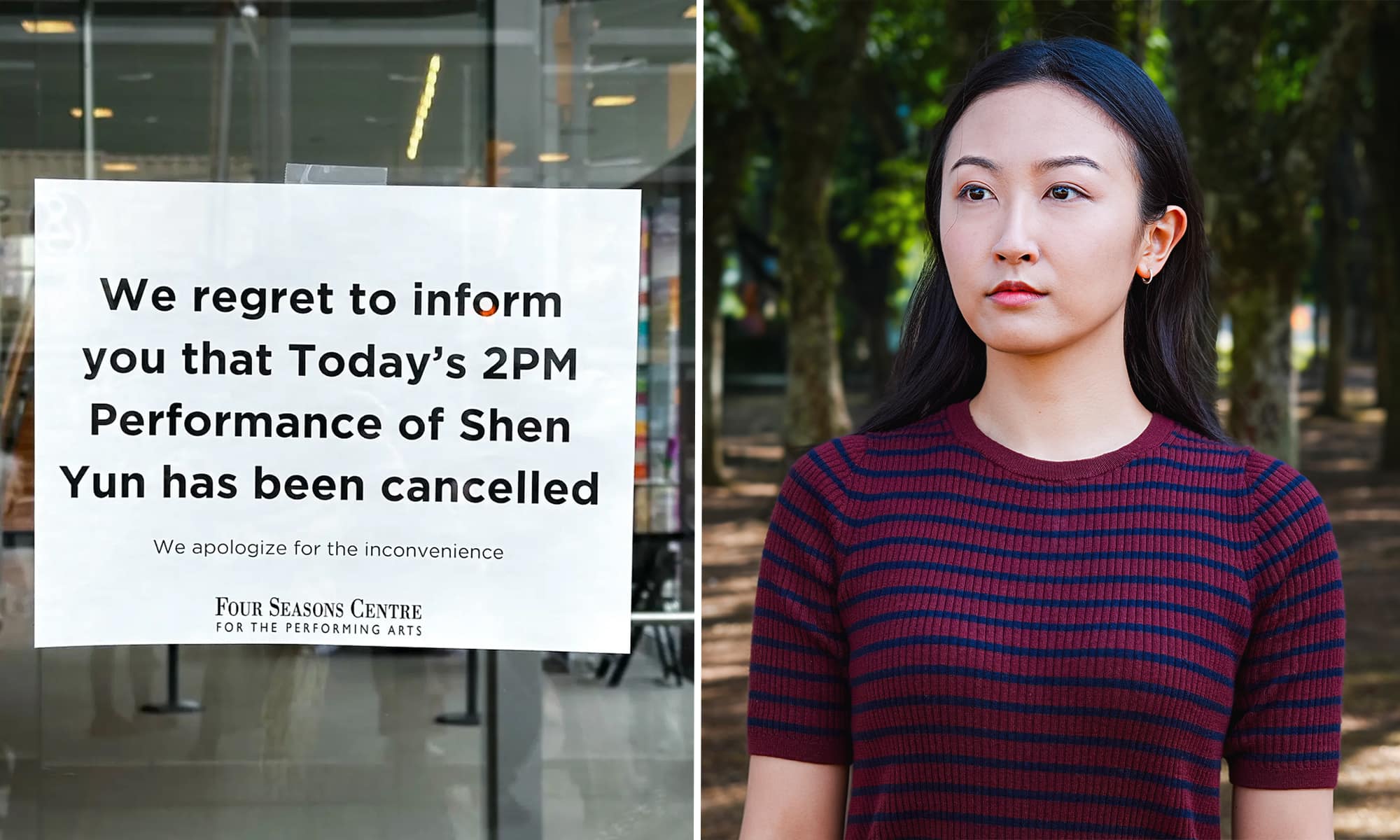
La presentatrice di Shen Yun Nancy Zhang era già truccata e in costume, pronta a salire sul palco a Toronto, quando è scattato l’allarme. Tutti i presenti nel teatro hanno dovuto evacuare a causa di un allarme bomba. Per la prima volta nella storia di Shen Yun, quell’e-mail ha causato l’annullamento di uno spettacolo.
Per Nancy, l’incidente le ha immediatamente fatto rivivere un ricordo della sua infanzia in Cina. Aveva 8 anni e, come al solito, era fuori ad aspettare che qualcuno venisse a prenderla dopo la scuola. Ma nessuno venne a prenderla. Quel giorno entrambi i suoi genitori erano stati arrestati perché praticanti del Falun Gong. Suo padre fu mandato in un centro di “lavaggio del cervello”; sua madre fu incarcerata per tre anni.
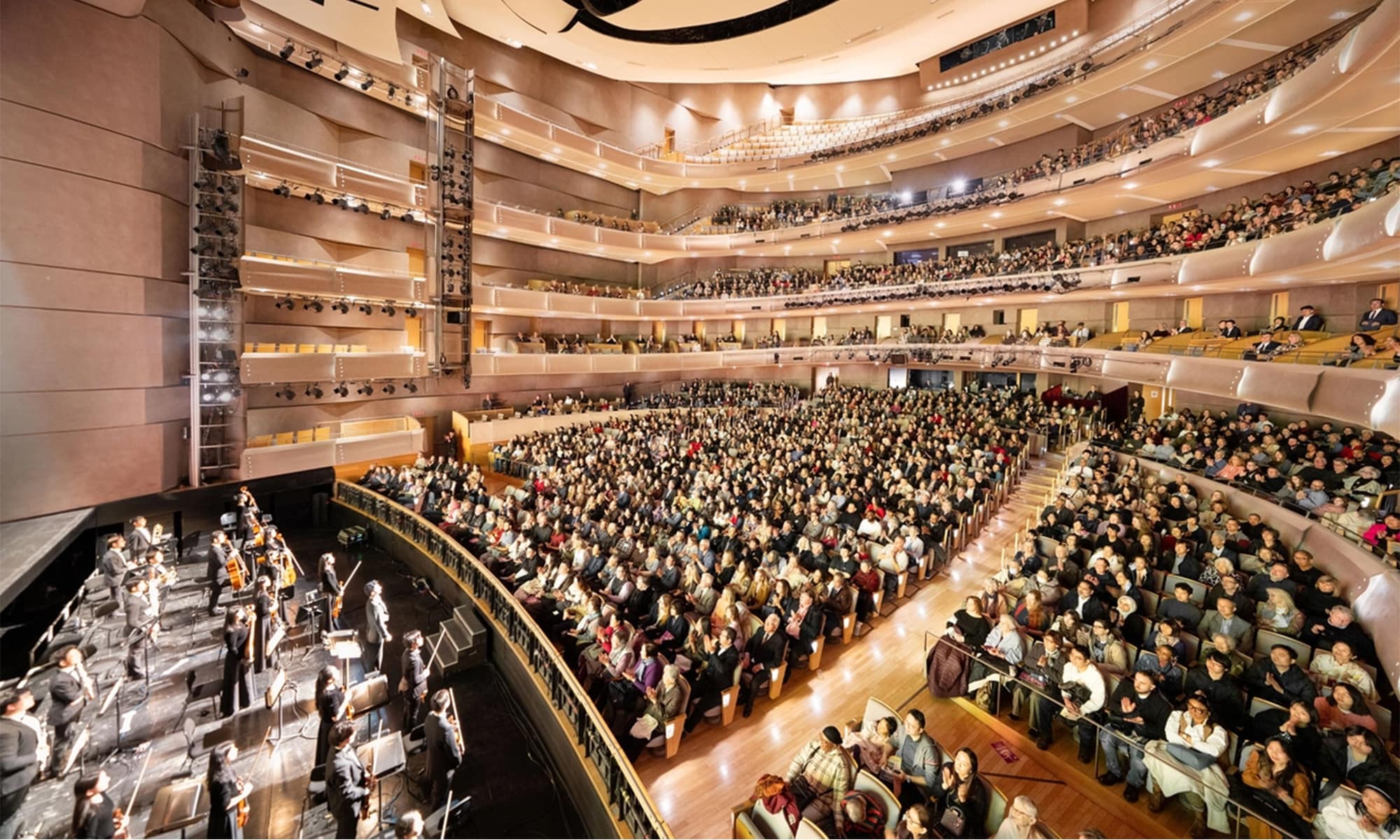
«La persecuzione ha devastato la mia famiglia», ha dichiarato a Toronto. «Oggi viviamo in una società libera e democratica. Non si tratta solo di Shen Yun. Si tratta di stabilire se un regime straniero possa dettare ciò che i canadesi possono vedere, quali storie possano essere raccontate e quali voci possano essere ascoltate».
Gli spettacoli annullati sono stati riprogrammati e Shen Yun è tornato a Toronto due mesi dopo.
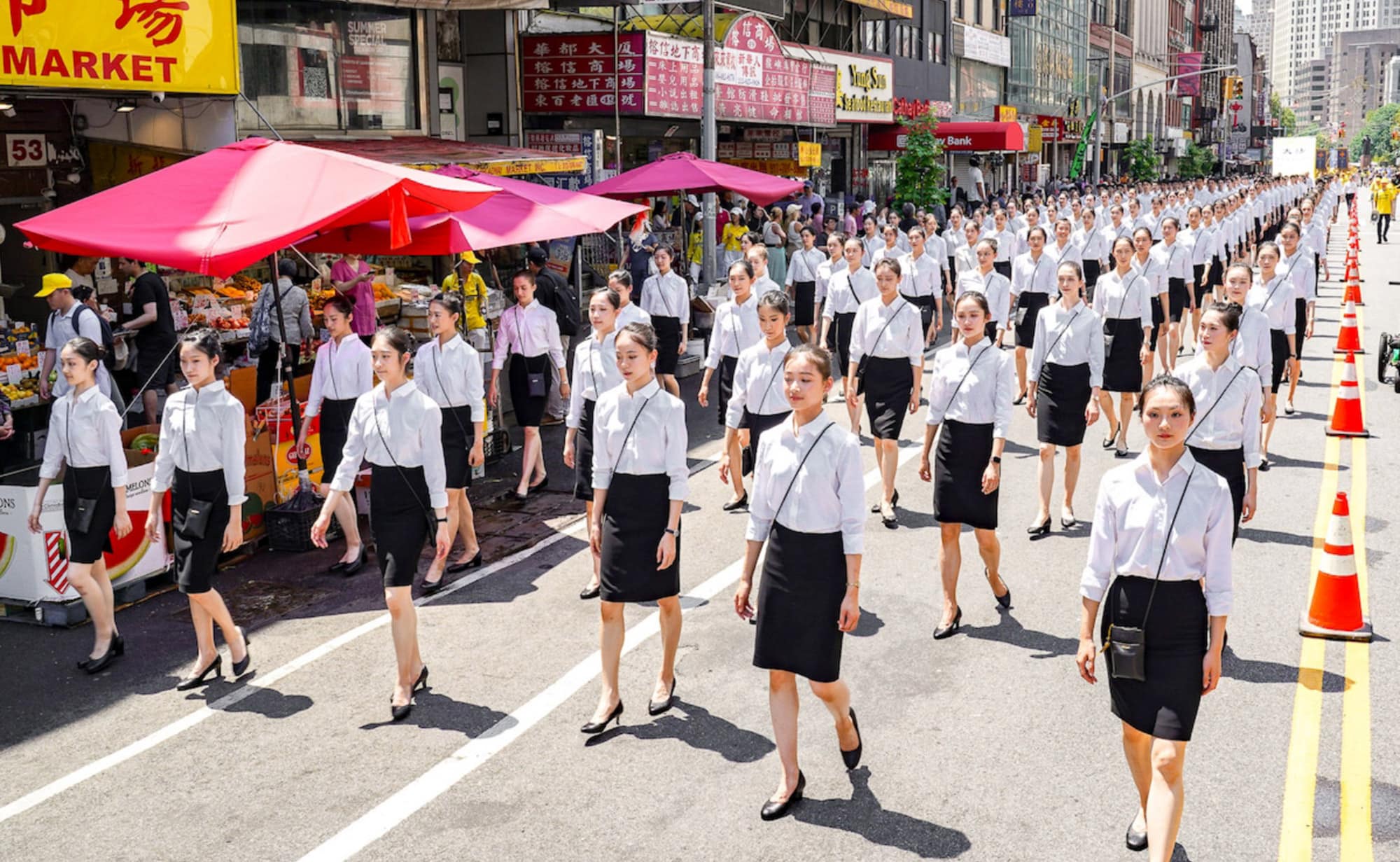
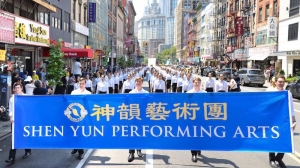
L'anno scorso hanno partecipato a una parata che ha attraversato la Chinatown di New York in occasione del 20 luglio, la data d'inizio della persecuzione.
Da 27 anni i praticanti del Falun Gong sono vittime di minacce e diffamazioni, e molti di loro hanno sofferto enormemente. Ma oggi, nonostante tutto, continuano a andare avanti, convinti che alla fine il bene prevarrà.
22 Agosto 2026